


Cushing syndrome, Congenital adrenal hyperplasia, Adrenal insufficiency, Adrenal mass/tumors, Pheochromocytoma, Primary Hyperaldosteronism.
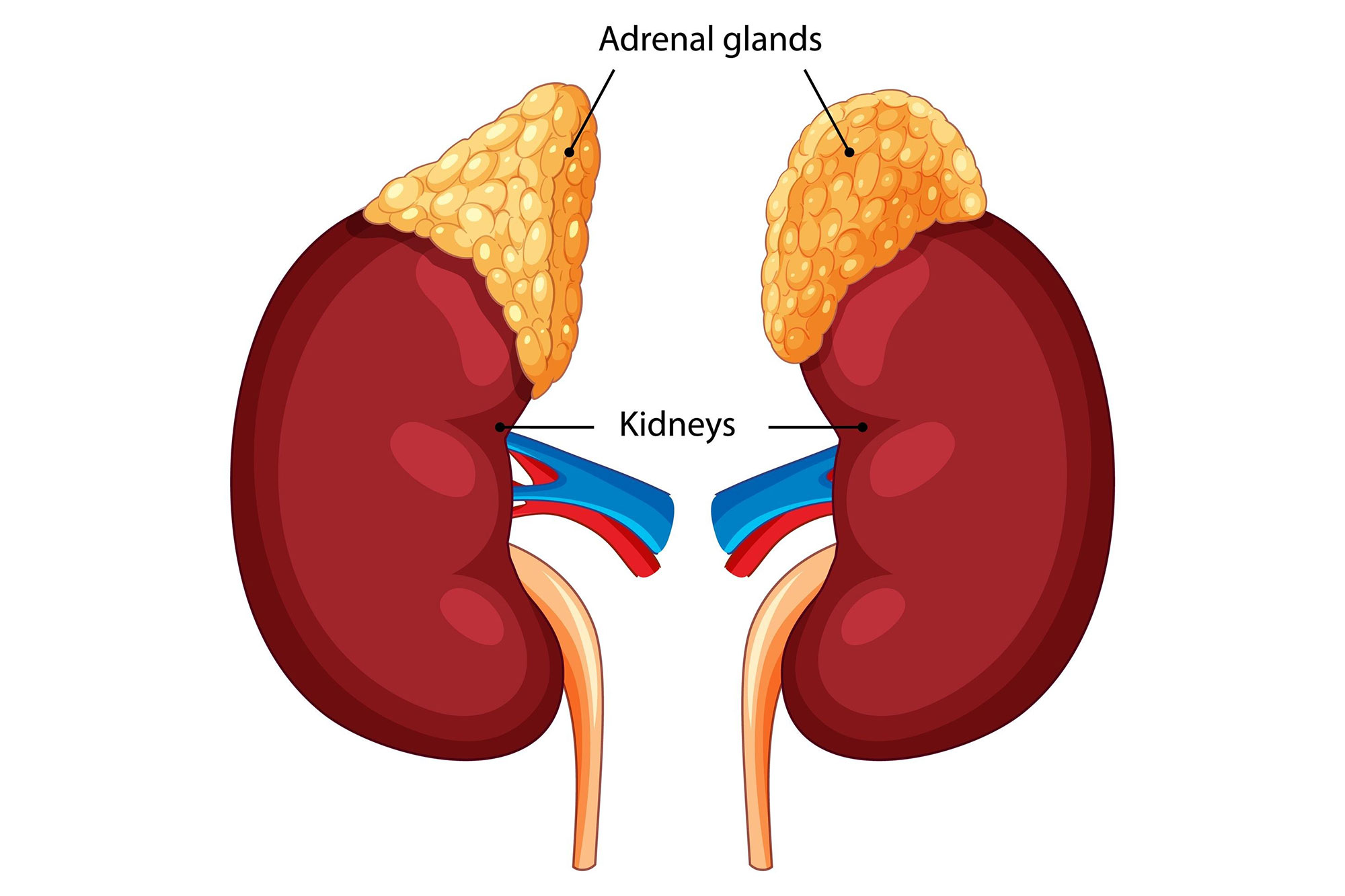
The Adrenal Gland are small, triangular-shaped glands located on top of each kidney, playing a vital role in regulating the body’s response to stress and maintaining overall hormonal balance. They produce essential hormones such as cortisol, aldosterone, and adrenaline, which help control metabolism, blood pressure, immune response, and the body’s fight-or-flight reaction. The adrenal glands are divided into two parts: the cortex (outer layer), which produces steroid hormones, and the medulla (inner part), which releases adrenaline and noradrenaline during stress.
Adrenal disorders occur when there is an imbalance in hormone production, either too much or too little. Conditions such as Addison’s disease (low cortisol production), Cushing’s syndrome (excess cortisol), and adrenal tumors can affect normal body functions. Symptoms may include fatigue, weight changes, blood pressure abnormalities, muscle weakness, and changes in skin appearance. Diagnosis involves blood and urine tests, along with imaging studies if needed. Treatment depends on the underlying cause and may include hormone replacement therapy, medications, or surgery, helping restore balance and improve overall health.