


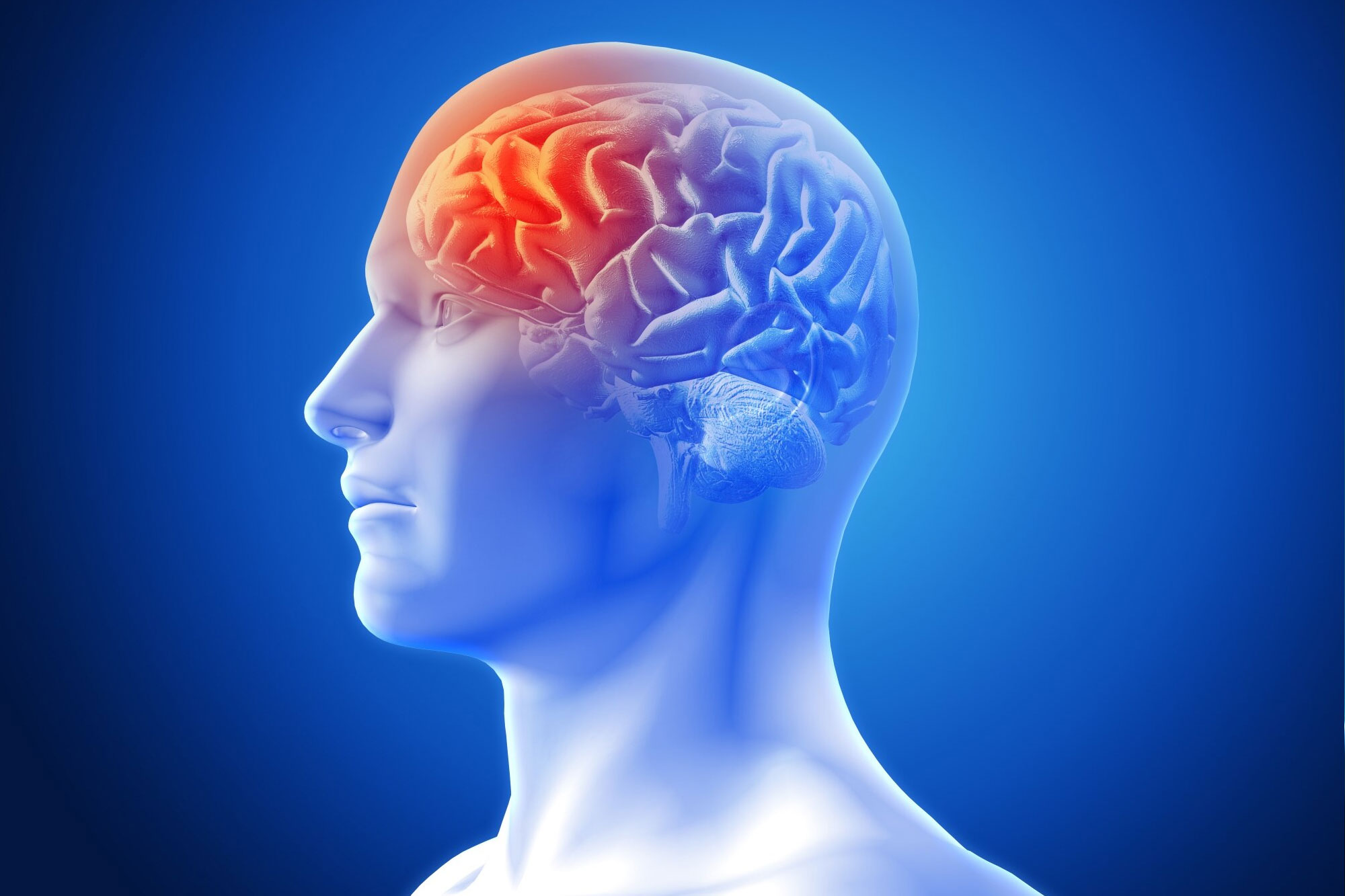
Acromegaly, Cushing disease, Prolactinoma, Hypopituitarism (Congenital and acquired), Pituitary mass/tumors, Hypophysitis.
The Pituitary Gland is a small, pea-sized gland located at the base of the brain, often referred to as the “master gland” of the endocrine system. It plays a crucial role in regulating various bodily functions by producing and releasing hormones that control other glands such as the thyroid, adrenal glands, and reproductive organs. The pituitary is divided into two parts—the anterior and posterior lobes—each responsible for secreting different hormones that influence growth, metabolism, stress response, and reproduction. Proper functioning of the pituitary gland is essential for maintaining hormonal balance in the body.
Pituitary disorders occur when there is either excessive or insufficient production of these hormones. Conditions such as pituitary tumors (usually benign), hormone deficiencies, or overproduction disorders like acromegaly and Cushing’s disease can significantly impact health. Symptoms may include unexplained weight changes, fatigue, growth abnormalities, vision problems, and hormonal imbalances. Diagnosis typically involves blood tests, imaging studies like MRI, and hormone evaluations. Treatment depends on the specific condition and may include medications, hormone replacement therapy, or surgical intervention to restore normal function and improve quality of life.