

Hypothyroidism, Hyperthyroidism, Gestational Thyroid diseases, Thyroid malignancies.
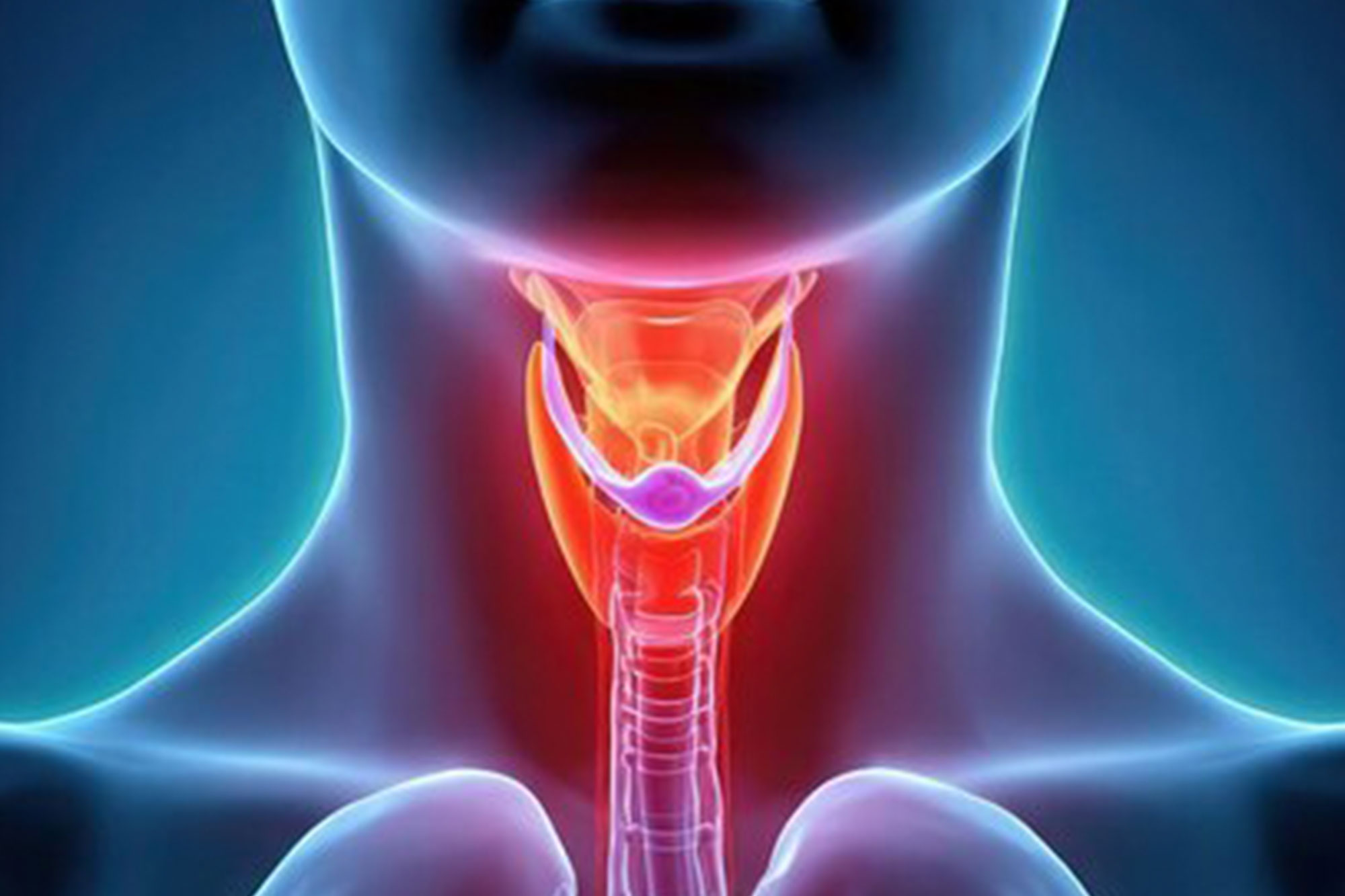
Thyroid disorders are conditions that affect the normal functioning of the thyroid gland, a small butterfly-shaped gland located in the neck that regulates metabolism through hormone production. The most common disorders include hypothyroidism (underactive thyroid), hyperthyroidism (overactive thyroid), goiter, and thyroid nodules. In hypothyroidism, the body produces insufficient thyroid hormones, leading to symptoms such as fatigue, weight gain, cold intolerance, and depression. In contrast, hyperthyroidism results in excess hormone production, causing weight loss, rapid heartbeat, anxiety, and heat intolerance. These conditions can arise due to autoimmune diseases, iodine imbalance, genetic factors, or inflammation of the thyroid gland.
Proper diagnosis and management of thyroid disorders are essential to maintain overall health and metabolic balance. Blood tests measuring thyroid hormone levels, such as T3, T4, and TSH, help in identifying the condition accurately. Treatment depends on the type and severity of the disorder and may include hormone replacement therapy, medications to control hormone production, or, in some cases, surgery. With early detection and appropriate treatment, most thyroid disorders can be effectively managed, allowing individuals to lead a normal and healthy life.