

Precocious puberty, Delayed puberty, Disorders of Gonadal differentiation, Gonadal tumors.
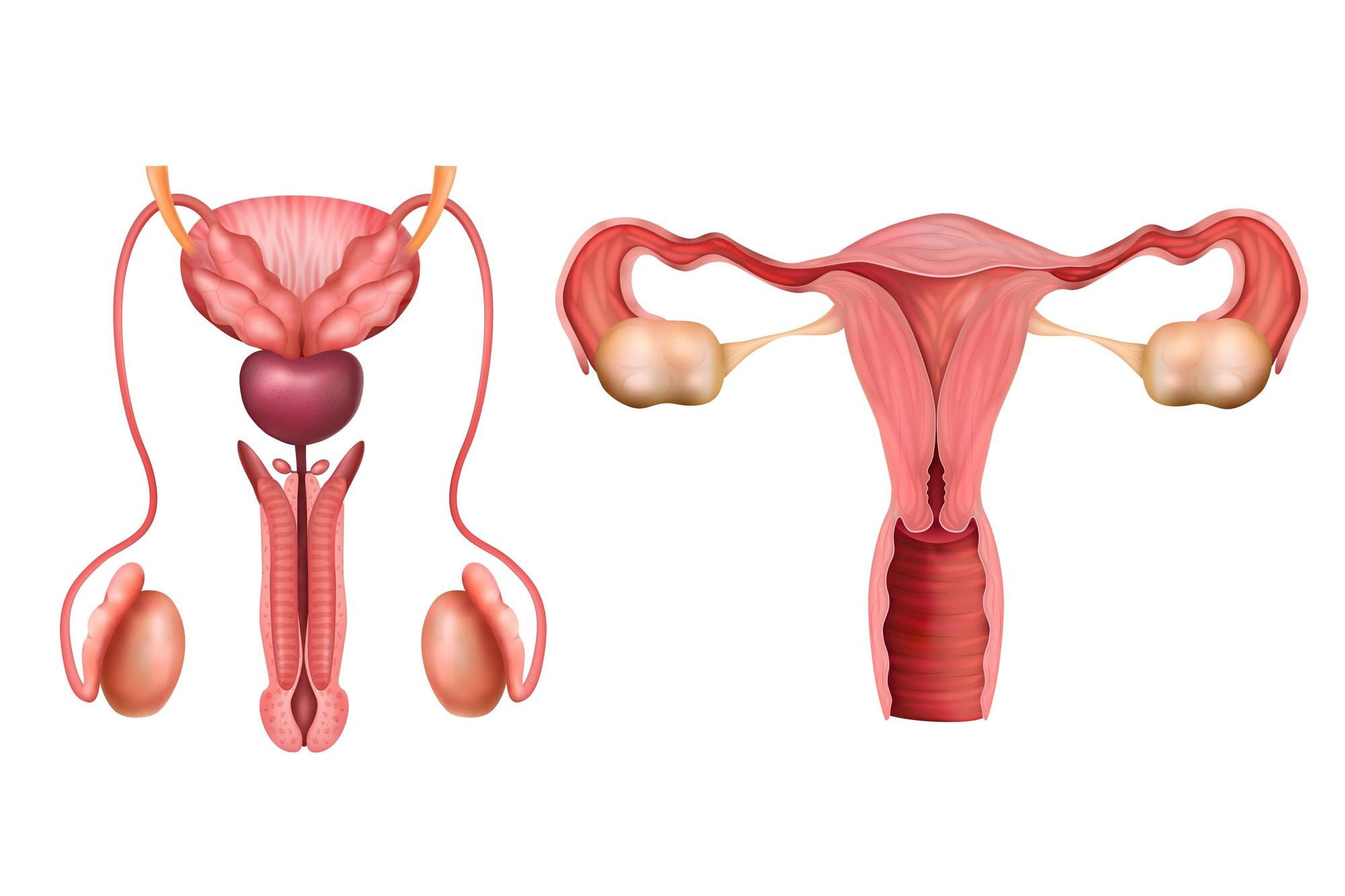
Gonads are the primary reproductive glands in the body, responsible for producing sex hormones and reproductive cells. In males, the gonads are the testes, which produce testosterone and sperm, while in females, the gonads are the ovaries, which produce estrogen, progesterone, and eggs (ova). These hormones play a crucial role in the development of secondary sexual characteristics, regulation of the menstrual cycle, fertility, and overall reproductive health. The function of the gonads is closely regulated by hormones released from the hypothalamus and pituitary gland, ensuring proper coordination within the endocrine system.
Gonadal disorders occur when there is an imbalance in hormone production or dysfunction in the reproductive glands. Conditions such as hypogonadism (reduced hormone production), polycystic ovary syndrome (PCOS), and testicular disorders can affect fertility, sexual development, and general health. Symptoms may include irregular menstrual cycles, infertility, decreased libido, delayed or early puberty, and hormonal imbalances. Diagnosis typically involves hormone testing, imaging studies, and clinical evaluation. Treatment depends on the underlying cause and may include hormone therapy, lifestyle changes, or other medical interventions to restore normal function and improve quality of life.