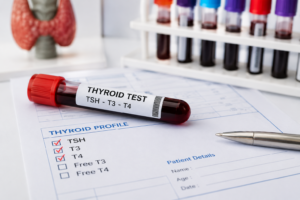
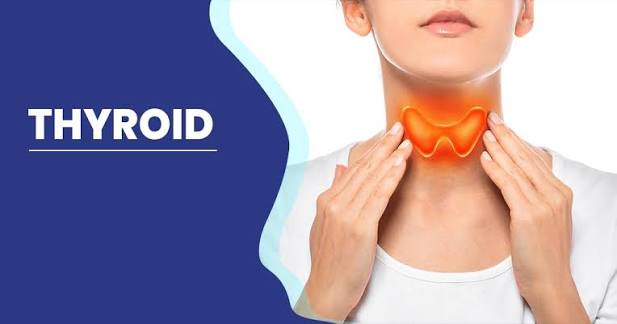
The thyroid gland is a small butterfly-shaped gland located in the front of your neck, but it plays a crucial role in controlling your body’s metabolism, energy levels, heart rate, body temperature, and overall health. When the thyroid gland produces too much or too little hormone, it can lead to a variety of health problems that often go unnoticed in the early stages.
Many people live with thyroid disorders for months or even years without realizing that their symptoms are related to an underlying hormonal imbalance. Recognizing the warning signs early can help prevent complications and improve your quality of life.
What Is a Thyroid Disorder?
A thyroid disorder occurs when the thyroid gland produces an abnormal amount of thyroid hormones.
The two most common thyroid conditions are:
Hypothyroidism (Underactive Thyroid)
When the thyroid gland does not produce enough hormones, the body’s metabolism slows down.
Hyperthyroidism (Overactive Thyroid)
When the thyroid gland produces excessive hormones, the body’s metabolism speeds up.
Both conditions can significantly affect physical and mental well-being if left untreated.
Common Symptoms of an Underactive Thyroid (Hypothyroidism)
If your thyroid hormone levels are too low, you may experience:
- Unexplained weight gain
- Constant fatigue and low energy
- Feeling cold even in warm weather
- Dry skin and brittle nails
- Hair thinning or excessive hair fall
- Constipation
- Depression or low mood
- Memory problems and poor concentration
- Puffy face and swelling around the eyes
- Irregular menstrual cycles in women
These symptoms often develop gradually, making them easy to overlook.
Common Symptoms of an Overactive Thyroid (Hyperthyroidism)
If your thyroid gland produces too much hormone, symptoms may include:
- Sudden weight loss despite normal eating habits
- Increased appetite
- Rapid or irregular heartbeat
- Excessive sweating
- Anxiety, nervousness, or irritability
- Tremors in the hands
- Difficulty sleeping
- Frequent bowel movements
- Muscle weakness
- Enlarged thyroid gland (goiter)
Without treatment, hyperthyroidism can increase the risk of heart-related complications and bone loss.
Thyroid Disorders in Women
Women are more likely than men to develop thyroid problems. Thyroid hormone imbalances can affect:
- Menstrual cycles
- Fertility
- Pregnancy outcomes
- Weight management
- Emotional health
Women experiencing irregular periods, difficulty conceiving, or unexplained weight changes should consider thyroid evaluation.
When Should You Consult an Endocrinologist?
You should seek medical attention if you experience:
- Persistent tiredness
- Unexplained weight gain or weight loss
- Excessive hair loss
- Swelling in the neck
- Mood changes
- Irregular heartbeat
- Menstrual irregularities
- Family history of thyroid disease
Early diagnosis and treatment can help prevent long-term complications and improve overall health.
Diagnosis and Treatment
Thyroid disorders are usually diagnosed through:
- Thyroid Function Tests (TSH, T3, T4)
- Thyroid Antibody Tests
- Thyroid Ultrasound
- Clinical Examination
Treatment depends on the specific condition and may include medications, lifestyle modifications, and regular monitoring.
Expert Thyroid Care in Kandivali, Borivali & Mumbai
If you are experiencing symptoms of thyroid disease, timely evaluation by a qualified endocrinologist is essential. Proper diagnosis and personalized treatment can help restore hormonal balance and improve your quality of life.
Dr. Atharva Kulkarni specializes in the diagnosis and management of thyroid disorders, including hypothyroidism, hyperthyroidism, thyroid nodules, thyroid swelling, and autoimmune thyroid diseases.
Whether you are looking for a Thyroid Specialist in Kandivali, Endocrinologist in Borivali, or Hormone Specialist in Mumbai, expert care can help you achieve better long-term health outcomes.