Prediabetes is a condition in which blood sugar levels are higher than normal but not yet high enough to be classified as type 2 diabetes. It can be an important warning stage because timely lifestyle changes and medical guidance may help reduce the risk of progressing to diabetes.
If you live in Kandivali, Mumbai, understanding the early warning signs of prediabetes and knowing when to get your blood sugar tested can help you take action before the condition progresses.
What Is Prediabetes?
Prediabetes occurs when the body begins to have difficulty using insulin effectively. This is commonly associated with insulin resistance, where the body’s cells do not respond properly to insulin.
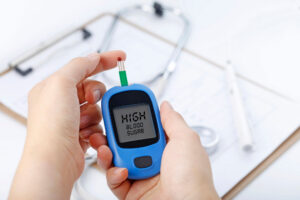
Blood glucose may gradually increase without causing obvious symptoms. This is why many people discover prediabetes only after a routine blood sugar or HbA1c test.
According to the National Institute of Diabetes and Digestive and Kidney Diseases (NIDDK), prediabetes can be identified using tests such as HbA1c, fasting plasma glucose, or an oral glucose tolerance test.
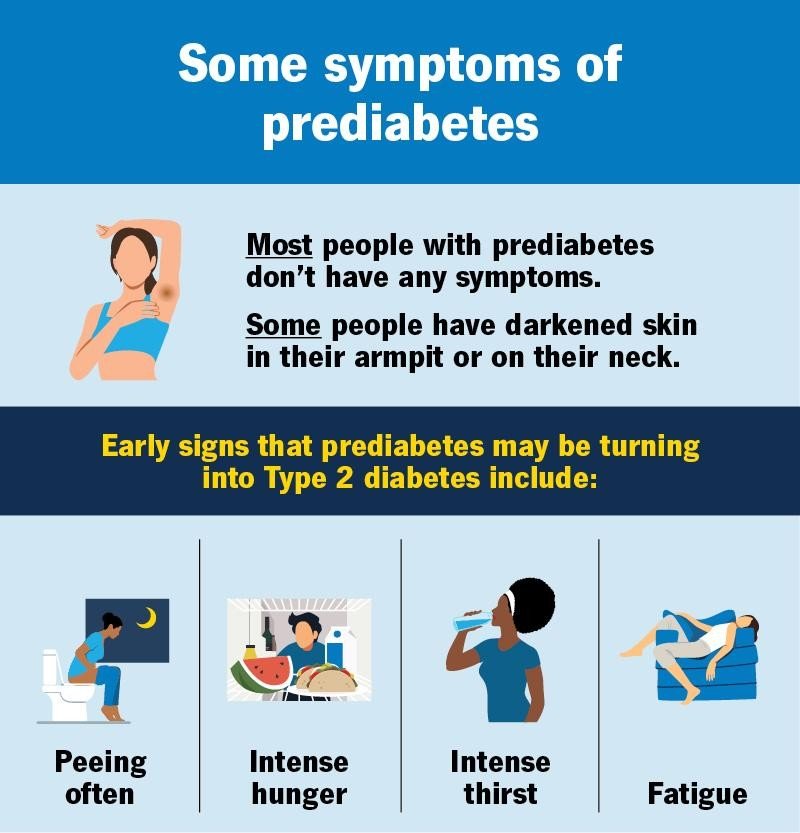
Prediabetes Symptoms: What Are the Warning Signs?
One of the biggest challenges with prediabetes is that many people do not experience noticeable symptoms.
However, some people may experience subtle changes, particularly as blood glucose levels rise.
1. Increased Thirst
Feeling unusually thirsty or needing to drink water more frequently may be associated with elevated blood glucose levels.
Persistent excessive thirst should not be ignored, especially when accompanied by other changes such as frequent urination.
2. Frequent Urination
Needing to urinate more often than usual can occur when blood glucose becomes significantly elevated.
Frequent urination alone does not mean you have prediabetes or diabetes, but it can be a reason to discuss blood sugar testing with a doctor.
3. Unusual Tiredness or Fatigue
Persistent tiredness despite getting adequate sleep may have many causes.
Blood sugar problems and insulin resistance can sometimes contribute to fatigue, particularly when glucose is not being efficiently used by the body’s cells.
4. Increased Hunger
Some people with insulin resistance may experience increased hunger or difficulty feeling satisfied after meals.
However, increased hunger can have many other causes, so it should not be used alone to diagnose prediabetes.
5. Blurred Vision
Changes in blood glucose can affect vision.
If you experience repeated episodes of blurred vision, it is important to have an appropriate medical evaluation rather than assuming that it is simply due to tiredness or screen use.
6. Darkened Skin Around the Neck
A dark, thickened, velvety appearance of the skin, particularly around the neck or in skin folds, can sometimes be associated with insulin resistance.
This condition is called acanthosis nigricans.
7. Difficulty Losing Weight
Insulin resistance can be associated with excess weight and metabolic changes.
If you are following healthy habits but continue to struggle with weight management, discussing metabolic health and blood sugar testing with an endocrinologist may be useful.
8. Increased Waist Size
Abdominal or central fat is an important metabolic risk factor.
A growing waist circumference, particularly when combined with high blood pressure, abnormal cholesterol or a family history of diabetes, can increase the need for diabetes screening.
9. Slow-Healing Cuts or Recurrent Infections
Slow healing and recurrent infections are more commonly associated with diabetes and significant high blood sugar rather than early prediabetes.
Nevertheless, if these problems occur repeatedly, blood glucose testing may be appropriate.
10. No Symptoms at All
This is perhaps the most important point.
You can have prediabetes without experiencing any obvious symptoms.
Therefore, waiting for symptoms before getting tested may allow blood sugar problems to remain undetected.
Prediabetes Blood Sugar Range
Blood tests are required to identify prediabetes.
Common diagnostic ranges include:
| Test | Normal | Prediabetes | Diabetes |
|---|---|---|---|
| HbA1c | Below 5.7% | 5.7%–6.4% | 6.5% or above |
| Fasting Blood Glucose | Below 100 mg/dL | 100–125 mg/dL | 126 mg/dL or above |
| 2-Hour OGTT | Below 140 mg/dL | 140–199 mg/dL | 200 mg/dL or above |
These ranges are used for non-pregnant adults; diagnosis should be interpreted by a qualified healthcare professional and may require confirmation.
What Is an HbA1c Test?
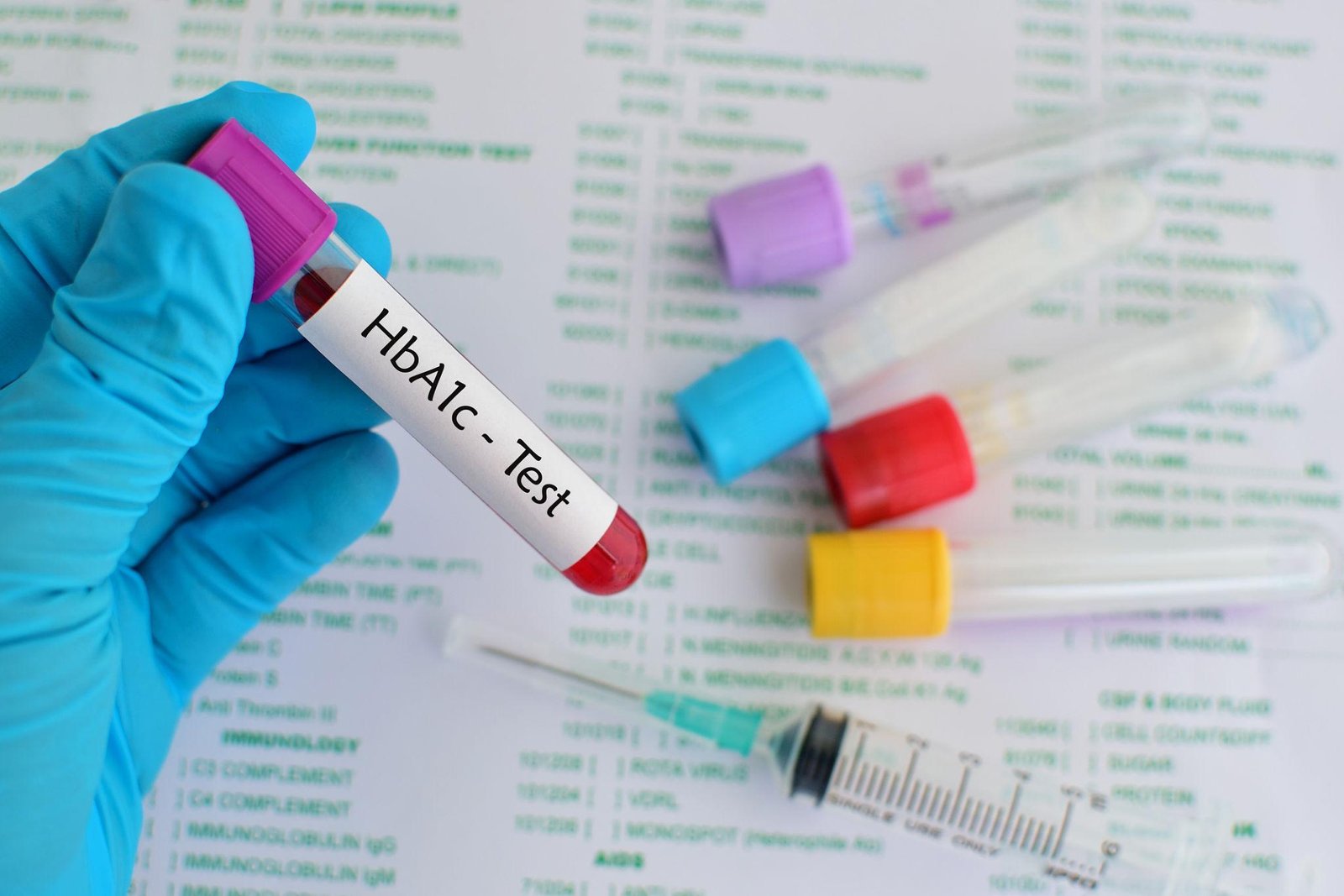
The HbA1c test, also called the glycated haemoglobin or A1C test, provides an estimate of average blood glucose over approximately the previous three months.
One advantage is that an HbA1c test generally does not require fasting.
An HbA1c result between 5.7% and 6.4% falls within the prediabetes range.
However, certain conditions affecting red blood cells or haemoglobin can affect HbA1c results, so your doctor may consider your overall health and other test results before interpreting the result.
Who Is at Higher Risk of Prediabetes?
You may have a higher risk of prediabetes if you have factors such as:
- Overweight or obesity
- Increased waist circumference
- Family history of type 2 diabetes
- Physical inactivity
- Previous gestational diabetes
- High blood pressure
- Abnormal cholesterol or triglyceride levels
- History of insulin resistance
- Increasing age
Risk factors can vary from person to person, so a healthcare professional can help determine whether screening is appropriate.
How Is Prediabetes Diagnosed?
A doctor may recommend one or more blood tests depending on your symptoms, risk factors and medical history.
Fasting Blood Sugar Test
This test measures blood glucose after fasting, usually for at least 8 hours.
A fasting glucose result of 100–125 mg/dL falls within the prediabetes range.
HbA1c Test
HbA1c provides an estimate of average blood glucose over the previous three months.
A result of 5.7%–6.4% is considered within the prediabetes range.
Oral Glucose Tolerance Test
An oral glucose tolerance test measures how the body processes glucose after consuming a glucose-containing drink.
A 2-hour result of 140–199 mg/dL falls within the prediabetes range.
Can Prediabetes Be Reversed?
Prediabetes can often be managed effectively, and progression to type 2 diabetes can sometimes be delayed or prevented through appropriate lifestyle changes.
Important areas include:
Healthy Eating
Focus on balanced meals containing vegetables, high-fibre foods, appropriate portions of carbohydrates, protein and healthy fats.
Reducing excessive intake of sugary drinks, sweets, refined carbohydrates and highly processed foods can be helpful.
Regular Physical Activity
Regular physical activity can improve insulin sensitivity and support healthy blood glucose levels.
Your doctor can help you choose an exercise routine appropriate for your age, fitness level and health conditions.
Weight Management
For people who are overweight, even modest weight reduction can improve metabolic health.
A personalised weight-management plan may be particularly useful when insulin resistance or obesity is present.
Regular Monitoring
If you have prediabetes, your doctor may recommend periodic blood glucose or HbA1c testing based on your individual risk.
When Should You See an Endocrinologist in Kandivali?
Consider discussing your blood sugar with an endocrinologist in Kandivali if:
- Your HbA1c is in the prediabetes range
- Your fasting blood sugar is repeatedly elevated
- You have a strong family history of diabetes
- You have obesity or significant weight gain
- You have signs of insulin resistance
- You have high blood pressure or abnormal cholesterol
- You have previously experienced gestational diabetes
- You are concerned about your risk of developing type 2 diabetes
An endocrinologist can assess your blood sugar, insulin resistance, weight, metabolic risk factors and other relevant health concerns and recommend an appropriate management plan.
Prediabetes in Kandivali: Why Early Testing Matters
People in Kandivali and surrounding areas of Mumbai can access blood glucose and HbA1c testing locally. However, a test result should be interpreted in the context of your medical history rather than relying on a single number.
Local diagnostic providers in Kandivali offer HbA1c and glucose testing, reflecting the availability of diabetes screening in the area.
If you are concerned about prediabetes symptoms, insulin resistance or your diabetes risk, speaking with a qualified endocrinologist in Kandivali can help you understand which tests may be appropriate.
Frequently Asked Questions About Prediabetes
What are the first symptoms of prediabetes?
Prediabetes often has no noticeable symptoms. Some people may experience fatigue, increased thirst or other subtle changes, but blood testing is the reliable way to identify prediabetes.
What HbA1c level indicates prediabetes?
An HbA1c level between 5.7% and 6.4% is in the prediabetes range.
Is fasting blood sugar of 110 considered prediabetes?
A fasting plasma glucose level of 100–125 mg/dL falls within the prediabetes range. However, diagnosis should be confirmed and interpreted by a healthcare professional.
Can prediabetes go away?
Blood glucose levels can improve with appropriate lifestyle changes and medical guidance. The right approach depends on individual factors such as weight, diet, activity, family history and other medical conditions.
Can I have prediabetes without symptoms?
Yes. Many people with prediabetes have no obvious symptoms, which is why appropriate screening is important for people at increased risk.
Should I get an HbA1c test if I have no symptoms?
If you have risk factors for prediabetes or type 2 diabetes, discuss screening with your doctor. HbA1c is one of the recommended tests used to identify prediabetes.
Takeaway
Prediabetes is an important warning sign, but it does not always produce symptoms. Early testing can identify changes in blood glucose before diabetes develops.
If you are in Kandivali, Mumbai and are concerned about prediabetes symptoms, insulin resistance, weight gain or your family history of diabetes, consult a qualified healthcare professional and ask whether blood glucose or HbA1c testing is appropriate for you.